Posted on 3/27/2026
%20copy.jpg)
A chirping noise from the engine bay usually starts off as easy to ignore. It may come and go at first, sound sharper during acceleration, or show up only after the car has been moving for a few minutes. Since the vehicle still runs, many drivers assume it can wait. Why A Chirp Sounds Different Than A Squeal A chirp is usually short, repetitive, and tied to rotation. A squeal is more of a longer slipping sound. That difference matters because a chirp often points to a belt tracking issue, a pulley problem, or a bearing that is starting to wear instead of a simple belt slip. That is why the rhythm of the sound is useful. If the chirp repeats in a steady pattern, something is coming back around over and over again. That usually means a pulley, belt edge, or rotating accessory is involved. The Serpentine Belt Is A Common Source The serpentine belt is often the first thing to suspect. As it ages, the rubber gets harder, the ribs wear, and the edges ca ... read more
Posted on 2/27/2026
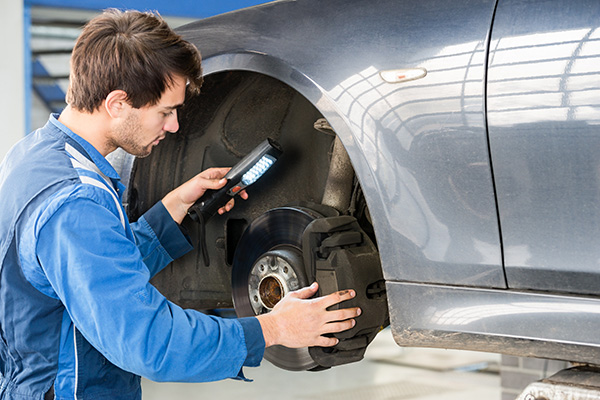
When brakes feel off, it is usually not one dramatic symptom. It is a handful of small changes that make the car feel less predictable than it used to. Most drivers notice it during the same moments every day, like rolling up to a stoplight, backing out of a driveway, or slowing down on an exit ramp. Those small clues are worth taking seriously because braking problems rarely improve on their own. Brakes are also a system, not just pads and rotors. Pedal feel, steering feel, noise, and even smell can point to different causes. If you can describe what you feel and when it happens, it becomes much easier to figure out what needs to be repaired. Pedal Feel Changes That Matter A firm pedal that suddenly feels soft often means the hydraulic system is not building pressure the way it should. Air in the lines, worn brake hoses, or a problem in the master cylinder can all cause a soft pedal, and none of them are worth ignoring. If the pedal gradually sinks while you hold i ... read more
Posted on 1/30/2026
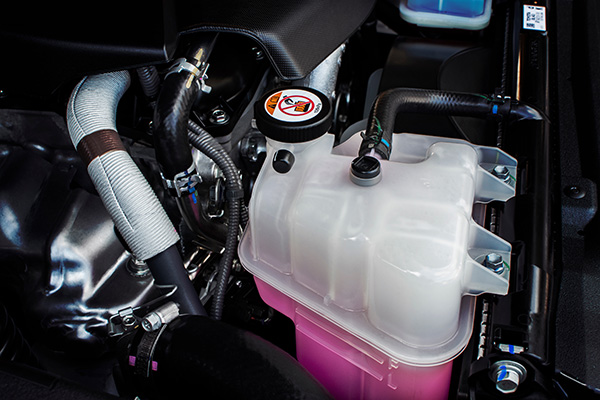
Coolant is one of those fluids people rarely think about until there is a temperature problem. The car is not overheating, the heater works, and there are no puddles under the vehicle, so it feels easy to assume the coolant is fine. The problem is that coolant ages even when everything seems normal. It can slowly lose its protective additives, and that can lead to corrosion, buildup, and cooling system wear that shows up later as leaks, heater issues, or overheating. A coolant flush is not always needed right now, but it is often necessary on a regular schedule. What Coolant Actually Does Besides Prevent Overheating Coolant does more than carry heat away from the engine. It also protects the inside of the cooling system from rust and corrosion. It lubricates parts like the water pump seal. It helps prevent mineral deposits and scale. It also raises the boiling point and lowers the freezing point, which matters in both hot summers and cold winters. When coolant is f ... read more
Posted on 12/19/2025
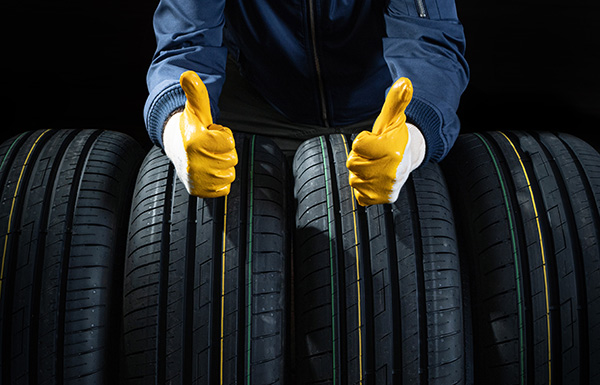
Electric cars feel smooth and quiet from the driver’s seat, so it is easy to forget how hard they lean on their tires. Extra weight, instant torque, and the way EVs brake all pile on more stress than a similar gas vehicle. That is why tire companies build EV specific rubber instead of just reusing the same old designs with a new label. How Electric Vehicles Stress Tires Differently EVs carry heavy battery packs, so the vehicle weight is usually higher than a comparable gas model. More weight means each contact patch between tire and road is working harder every time you accelerate, brake, or corner. That extra load is a big part of why tire choice matters. Electric motors also deliver maximum torque immediately. When you pull away from a stop, the tires feel that surge right away instead of gradually. If the tire compound is not designed for that kind of hit, the tread can scrub away faster, especially on the driven axle. Why EV Tires Use a Different ... read more
Posted on 11/28/2025

Choosing motor oil affects engine cleanliness, wear protection, and cold starts. Marketing can be loud, but the right answer depends on driving style, climate swings, and the approvals your vehicle calls for. Here is a clear guide to help you pick confidently at your next service. Why Motor Oil Choice Is So Important Oil does three jobs at once: it lubricates moving parts, carries away heat, and suspends contaminants so the filter can trap them. Detergents and dispersants keep varnish from baking onto hot surfaces. Anti-wear and anti-oxidation additives form a protective film when metal tries to touch metal. Pick an oil that holds its viscosity when hot, pumps quickly when cold, and resists breakdown over the interval the manufacturer intended. What Conventional Oil Offers Today Conventional oil starts as refined crude. Modern refining removes many impurities and pairs the base stock with a strong additive package. It works well for steady commut ... read more